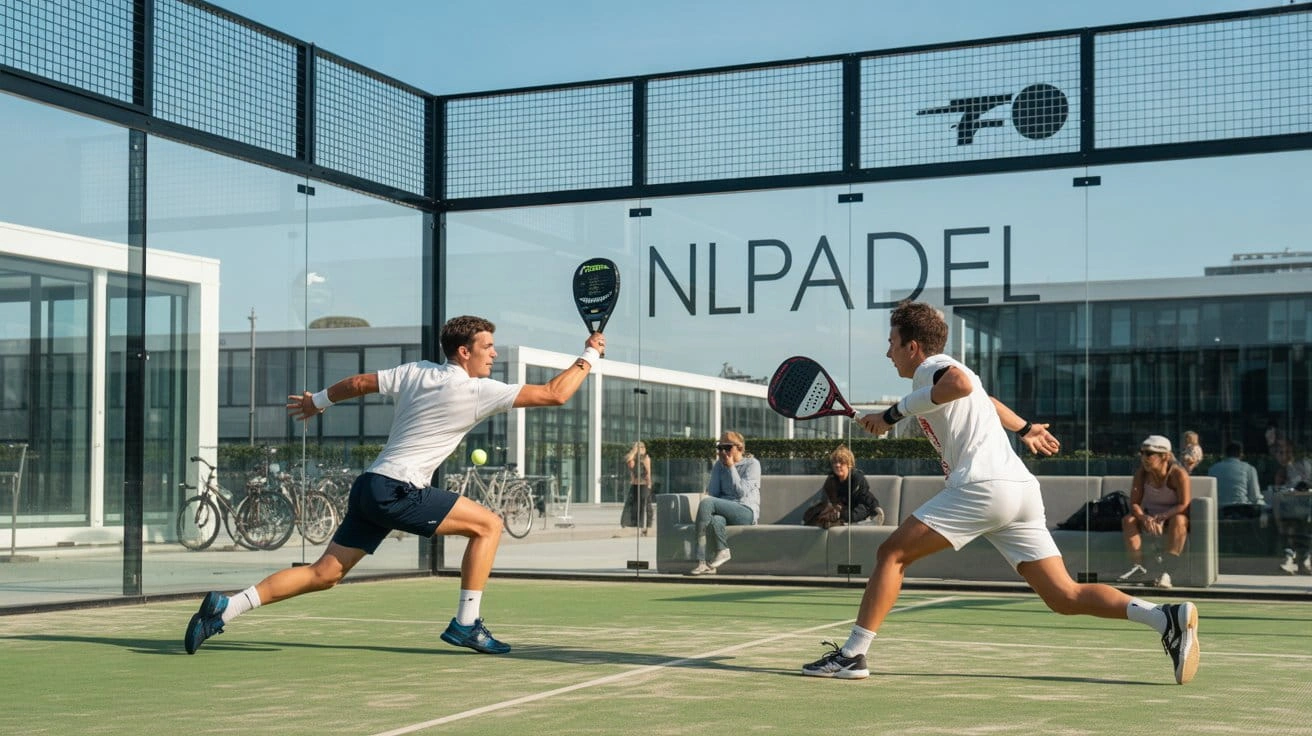
Padel has moved far beyond being a niche racket sport in the Netherlands. Over the last few years, it has become a mainstream activity enjoyed by professionals, casual players, and entire communities. At the center of this evolution is nlpadel, a term increasingly used to describe the Dutch padel ecosystem as a whole.
This article explores what nlpadel really means, why people search for it, and how it reflects broader trends in sports, lifestyle, and community building across the Netherlands. Whether you are new to padel or already active in the scene, this guide answers the most important questions while aligning with the latest Google SEO and content quality standards.
What Does NLPadel Mean?
The term nlpadel is a combination of “NL,” representing the Netherlands, and “padel,” the fast-growing racket sport. Rather than pointing to a single organization or company, it represents the collective padel movement within the country.
People commonly use the term when talking about:
- Dutch padel clubs and facilities
- National and regional competitions
- Player communities and training programs
- Digital platforms related to padel in the Netherlands
In short, nlpadel functions as an umbrella concept for how padel is played, organized, and experienced throughout the country.
Why NLPadel Is Gaining So Much Attention
Search interest around padel-related topics has increased sharply, and nlpadel reflects a strong user intent: people want to understand where to play, how to start, and why the sport is expanding so rapidly.
Several factors explain this rise.
Padel is easy to learn compared to many traditional racket sports. Beginners can enjoy competitive rallies within their first session, which lowers the entry barrier. The sport is also primarily played in doubles, making it highly social and appealing to friends, families, and coworkers.
The Netherlands, with its dense cities and focus on active lifestyles, is particularly well suited to padel. Compact courts fit into urban environments, and the social nature aligns with Dutch sports culture.
The Growth of Padel in the Netherlands
Padel courts have multiplied across the country, appearing in cities, suburbs, and even smaller towns. Many tennis clubs have added padel courts to meet demand, while dedicated padel centers continue to open year after year.
Key Drivers Behind the NLPadel Movement
One of the biggest growth drivers is accessibility. Players do not need years of training to enjoy the sport, and age or fitness level is rarely a limitation.
Another factor is structure. Organized competitions, rankings, and training pathways allow players to progress naturally, from recreational play to serious competition.
Digitalization also plays a role. Online booking systems, match-finding tools, and club apps make it easier than ever to stay active and connected within the padel community.
Benefits of Being Part of NLPadel
Padel’s popularity is not accidental. The benefits go far beyond entertainment.
Physical and Mental Health Advantages
Regular padel play improves endurance, coordination, and reflexes. Because matches are dynamic but not overly aggressive, players often experience fewer injuries than in some other racket sports. The social interaction also supports mental well-being and stress reduction.
Strong Community Building
Clubs emphasize social matches, beginner events, and mixed-level play. This welcoming atmosphere helps new players integrate quickly and keeps long-term members engaged.
Opportunities for All Skill Levels
From casual after-work games to competitive leagues, there is space for everyone. Coaching programs and clinics help players improve without pressure, reinforcing the inclusive nature of the sport.
Challenges Facing NLPadel Development
Despite its success, the movement faces several challenges that players and organizers continue to address.
Court availability can be limited in high-demand areas, especially during evenings and weekends. As popularity grows, booking in advance becomes essential.
Costs have also increased in some regions. Court fees and memberships may discourage frequent play for certain groups, particularly beginners.
Finally, outdoor courts remain sensitive to weather conditions. While indoor facilities help, seasonal limitations still influence playing schedules.
Real-World Examples from the Dutch Padel Scene
Across the Netherlands, padel centers illustrate how the nlpadel concept works in practice.
Urban clubs offer beginner courses, internal leagues, and social tournaments that attract both locals and expats. Schools and youth programs increasingly introduce padel as part of physical education, recognizing its appeal to younger generations.
On the competitive side, national tournaments and inter-club leagues provide clear development pathways for ambitious players. This balance between fun and performance is one of the defining characteristics of the Dutch padel environment.
How to Get Started with NLPadel
Starting is straightforward and does not require prior experience.
Most players begin by booking a court at a local club and renting equipment. Introductory lessons are widely available and help new players understand rules, positioning, and scoring.
Joining a club is often the best next step. Membership usually includes access to leagues, training sessions, and community events, making it easier to stay motivated and improve over time.
Frequently Asked Questions About NLPadel
Is nlpadel an official organization?
No. The term represents the broader padel ecosystem in the Netherlands rather than a single governing body.
Do I need experience to play padel in the Netherlands?
Not at all. The sport is beginner-friendly, and most clubs actively welcome new players.
Why is padel growing faster than other racket sports?
Its social format, short learning curve, and suitability for urban environments make it highly attractive.
Can children and seniors play padel?
Yes. The rules and court size make it suitable for a wide age range, which supports long-term participation.
Is padel competitive in the Netherlands?
Very much so. Recreational play and structured competition exist side by side, allowing players to choose their preferred level.
Final Thoughts: The Future of NLPadel
NLPadel represents more than a trend — it reflects how modern sports evolve through accessibility, community, and smart infrastructure. The Netherlands has embraced padel in a way that balances performance with enjoyment, making it one of the most promising padel markets in Europe.
As more courts are built and digital tools continue to improve the player experience, the nlpadel movement is likely to remain a defining part of Dutch sports culture for years to come.