The term Kittle injury has become one of the hottest headlines in the NFL world in early 2026. It refers to a devastating injury suffered by San Francisco 49ers star tight end George Kittle, who endured a torn Achilles tendon during a playoff game — a blow not just to his team, but to fans and fantasy football managers alike.
In this long‑form guide, you’ll get a complete overview: what happened, injury history, recovery timeline, impact, and answers to top questions about Kittle injury.
What Exactly Is the Kittle Injury?
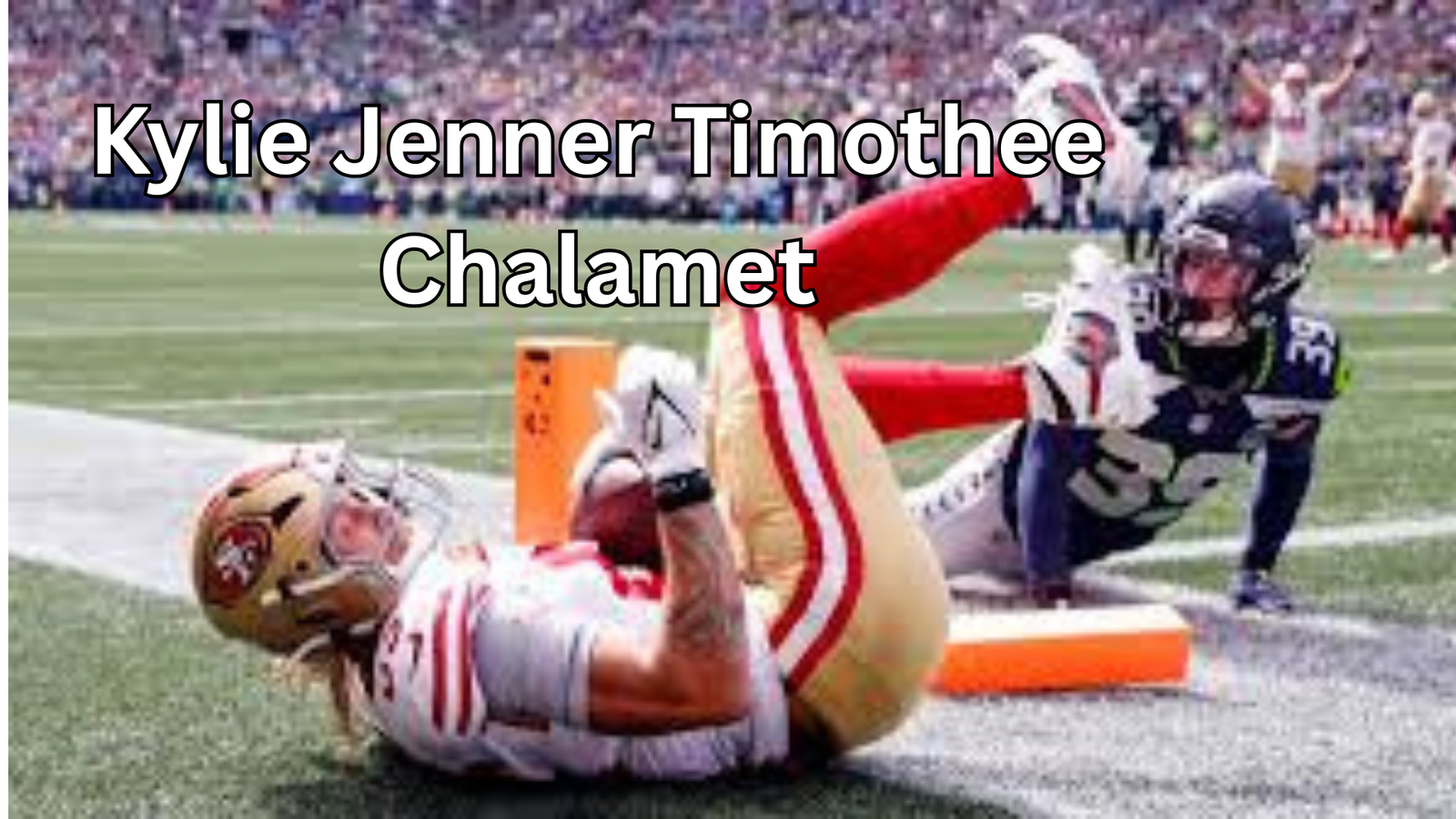
The Kittle injury refers to the torn Achilles tendon that George Kittle suffered in the NFC wild‑card playoff game against the Eagles.
In the second quarter of the 49ers’ win, Kittle was tackled after a short reception when his right leg buckled — and he was carted off the field, clearly unable to continue.
This didn’t just knock him out of the rest of the game — it ended his playoff run and will likely keep him out for many months of recovery.
Why the Achilles Injury Is Serious
An Achilles tendon tear is one of the most serious injuries for athletes, especially for football players who rely on explosive speed, cutting ability, and leg strength.
Key reasons it’s serious:
- The Achilles tendon connects the calf to the heel, critical for running and jumping.
- Recovery typically takes 9–12 months or more depending on rehab.
- Even after surgery — which Kittle has already had — returning to pre‑injury performance is challenging.
Because of this, the Kittle injury isn’t just another sprain — it’s currently career‑impacting and will shape the next NFL season for both him and the 49ers.
Kittle Injury History: What Led Here
George Kittle has had a history of injuries over his NFL career but has consistently shown resilience. Prior to the Achilles tear, he had several lower-body injuries:
- Hamstring injury in Week 1 of 2025, forcing him out and later placed on injured reserve.
- An ankle sprain late in the 2025 season that caused limited availability.
His injury timeline shows recurring leg and hamstring issues before culminating in the current Achilles tear — reflecting both the physical toll of the NFL and his high-usage role in the offense.
Real Case: Kittle Injury Moment vs Eagles (Wild Card Game)
In the NFC wild‑card game on January 11, 2026, Kittle’s injury became an instant headline moment:
- He caught a short pass, but while being tackled, his right leg bent awkwardly.
- He immediately went down and was ruled out for the game.
- Teammates and fans watched in shock — and support poured in as the reality set in.
Afterward, Kittle underwent successful surgery and began the long road to recovery.
This game and injury instantly became a defining part of the 2026 playoff narrative — and a key moment for the Kittle injury topic.
How Long Will Recovery Take?
Most medical professionals predict the following timeline for a torn Achilles:
- Surgery and initial healing: first few weeks post-injury.
- Rehab and physical therapy: 6–9 months.
- Return to sport: typically 9–12 months or more.
Because the injury happened in January, Kittle could miss the entire 2026 season, and potentially return late in 2026 if rehab goes exceptionally well.
This means his absence stretches into the next NFL calendar year, affecting roster planning and team strategy.
Impact of the Kittle Injury
On the 49ers
Losing one of their most productive offensive weapons alters the dynamic for the 49ers. Kittle has been a leadership figure and top target over many seasons, and his injury creates opportunities for others but also a void in playmaking ability.
On Fantasy Football
For managers who drafted Kittle, the injury hit hard — torn Achilles injuries usually mean long absences, putting him out of elite scoring contention. His absence disrupted fantasy lineups across the league.
On Fans & Culture
Social media and fan communities reacted emotionally, with many expressing disappointment and support for his comeback journey.
How Kittle’s Injury Compares to Other NFL Tendon Tears
Achilles injuries are less common than hamstrings or ankle sprains, but far more serious. While many players recover from minor muscle injuries in a few weeks, an Achilles tear requires major rehab and can even end careers.
Kittle’s case places him among a group of elite athletes who must undergo intense recovery before returning to competitive play.
FAQs
- What happened in the Kittle injury?
He suffered a torn Achilles tendon in the Wild Card game and was carted off the field. - How long is recovery from an Achilles tear?
Typically 9–12 months of rehab before full return. - Did Kittle have surgery?
Yes — he underwent successful Achilles surgery soon after the injury. - Will he return in 2026?
It’s unlikely he’ll play early in the 2026 season; a late return depends on rehab progress. - Has he had other injuries before?
Yes — hamstring and ankle injuries in the 2025 season and earlier in his career.
Conclusion
The Kittle injury — George Kittle’s torn Achilles tendon — is more than just a moment in a single game. It’s a defining instant in his professional career and for the 2026 NFL season.
From recurring hamstring issues in 2025 to the full Achilles tear in the playoffs, his injury story reflects both the physical demands of football and the resilience required to return to top competition.
Fans, analysts, and the league will be watching closely as Kittle begins one of the toughest rehab journeys in sports.