In a world where digital growth and environmental responsibility now go hand in hand, businesses are looking for smarter ways to reuse data, recycle systems, and build sustainable digital frameworks. The concept of technological sustainability has expanded beyond simple energy efficiency. It now includes data optimization, lifecycle management, and resource renewal. Within this evolving framework, solutions like matarecycler are helping organizations rethink how digital assets are managed, repurposed, and maintained for long-term value.
Modern industries face increasing pressure to reduce operational waste, extend system lifespans, and adopt eco-friendly strategies. The shift toward digital recycling is becoming essential. Whether a company manages cloud storage, automated workflows, or AI-generated content, the principle remains the same: less waste, more efficiency, and smarter reuse. With innovations accelerating, the ability to recycle digital processes effectively has become a new benchmark for sustainable growth.
Understanding Digital Recycling in Today’s Landscape
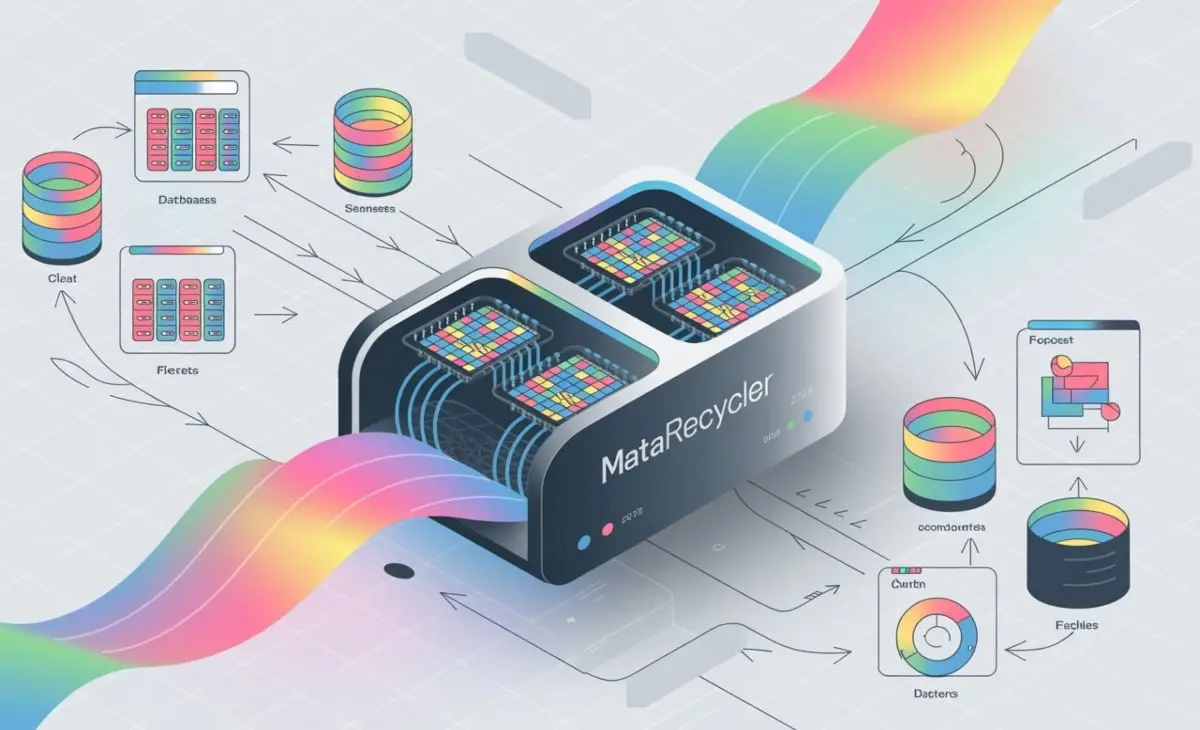
Digital recycling focuses on minimizing technological waste by improving how systems, data, and workflows are reused or transformed. Many companies accumulate outdated files, redundant systems, or software components that are no longer efficient. This buildup slows operations, increases storage costs, and introduces security risks. A tool like matarecycler encourages organizations to rethink digital lifecycle management and explore cleaner, leaner operations. By reusing digital components effectively, companies free resources, streamline processes, and move toward responsible long-term sustainability.
Why Digital Sustainability Matters for Modern Businesses
Businesses now operate within a fast-paced digital environment where systems scale quickly and technological waste becomes unavoidable. Digital sustainability ensures that organizations maintain control over resource consumption and avoid unnecessary expansion. Companies that embrace sustainable practices benefit from lower costs, improved efficiency, and stronger compliance with global environmental standards. The structured approach supported by solutions like matarecycler helps prevent system overload, optimize long-term infrastructure, and align digital operations with environmental goals, without compromising innovation or performance.
The Role of matarecycler in Efficiency and Digital Waste Reduction
The design philosophy behind matarecycler centers on helping organizations identify unused assets, optimize digital workflows, and eliminate waste hidden within software structures. Its analytical capabilities help track redundant systems and highlight areas requiring refinement. By recycling digital components instead of discarding them entirely, companies reduce downtime, accelerate development cycles, and maintain a cleaner operational environment. This contributes to long-term scalability, enabling businesses to grow without accumulating unnecessary technological baggage that slows innovation.
How Digital Waste Accumulates and Why It Must Be Addressed
Digital waste develops from outdated tools, abandoned projects, duplicated data, unused code, and inefficient workflows. Over time, this buildup affects performance, increases security vulnerabilities, and drives unnecessary costs. Organizations often underestimate the impact of slow-moving systems on employee productivity and customer satisfaction. Addressing these issues is essential for a healthy digital ecosystem, and tools that promote recycling and optimization help eliminate waste before it becomes a serious operational burden. This proactive approach strengthens both efficiency and sustainability.
Benefits of Recycling Digital Assets for Businesses
- Reduces ongoing operational strain and improves system reliability
- Helps teams reuse core components, cutting development time
- Lowers storage expenses by eliminating redundant files
- Enhances security by reducing outdated or unsupported systems
- Improves sustainability metrics crucial for modern compliance
Integrating matarecycler Into Sustainable Technology Strategies
Organizations adopting matarecycler often do so as part of a broader digital transformation initiative. Integrating the tool into system audits, data management plans, and workflow redesigns helps ensure sustainable operations across departments. Its value lies in encouraging teams to evaluate what they need, refine what they use, and recycle what they can. This approach actively supports cost-efficient innovation by making better use of existing assets and reducing the need for constant technological replacement or expansion.
Real-World Example: Streamlining a Software Company’s Digital Waste
A mid-sized software development company struggled with redundant code libraries, outdated project folders, and inefficient storage systems. Their workflow slowed, builds took longer, and server costs grew each quarter. After integrating a digital recycling process centered around matarecycler, the company removed unused components, reorganized data structures, and streamlined operations. Within months, build times dropped by 30%, storage expenses fell significantly, and teams regained clarity across projects, proving that digital recycling has measurable business impact.
Key Challenges Companies Face in Digital Sustainability
Companies aiming for digital sustainability often encounter obstacles such as outdated infrastructure, lack of structured processes, and resistance to workflow change. Many teams struggle to identify what should be reused versus replaced. Without proper oversight, digital environments become cluttered and inefficient. Overcoming these challenges requires tools that deliver clear insights, promote disciplined resource use, and introduce predictable patterns. Implementing structured solutions like matarecycler helps organizations shift from reactive cleanup toward proactive digital lifecycle management.
The Future of Digital Recycling in Global Industries
As businesses produce more data and rely heavily on software ecosystems, digital recycling will become a core strategy worldwide. Global industries are recognizing that efficient digital management directly influences economic and environmental outcomes. Companies adopting these principles early will benefit from reduced costs, faster innovation cycles, and stronger operational resilience. Solutions that support sustainable digital ecosystems will continue expanding, helping organizations maintain performance while reducing technological waste and championing responsible long-term growth.
Indicators That Your Digital Ecosystem Needs Recycling
- Systems running slower due to unused software components
- Storage costs growing without clear justification
- Repeated code or duplicated files across teams
- Delayed project timelines caused by cluttered workflows
- Frequent errors originating from outdated digital assets
Best Practices for Implementing a Digital Recycling Strategy
Effective digital recycling requires clear objectives, consistent audits, and responsibility assigned across departments. Begin by identifying outdated tools, redundant processes, and areas lacking structure. Implement automated systems that highlight waste points and encourage reuse where possible. Encourage teams to maintain disciplined documentation and adopt clean operational habits. Incorporating solutions like matarecycler supports accurate tracking, efficient reuse of system components, and a streamlined digital environment aligned with modern business expectations and sustainability commitments.
Conclusion:
Digital sustainability is no longer optional. As organizations grow, the accumulation of digital waste becomes unavoidable unless managed proactively. matarecycler offers businesses an effective path toward cleaner operations, better resource allocation, and long-term system stability. Companies that embrace digital recycling now will enjoy smoother workflows, reduced overhead, and stronger competitive resilience. For teams seeking reliable, scalable solutions, adopting digital recycling practices is the next essential step. Start refining your ecosystem today and build a sustainable future.