In recent years, digital ecosystems have evolved at an incredible pace. New platforms, frameworks, and concepts appear almost daily, each promising better organization, faster workflows, and smarter decision-making. One term gaining quiet but steady attention is ecmiss. Although it may not yet be widely recognized by the general public, it plays an increasingly important role in discussions around structured information management and system efficiency.
Understanding ecmiss matters because organizations today struggle with scattered data, disconnected workflows, and rising compliance demands. Whether used in enterprise environments, public services, or digital innovation projects, this concept reflects a move toward clarity, integration, and control. This article explains what it is, why it matters, how it is used, and what challenges come with it, all in clear and practical language.
What Is ecmiss?
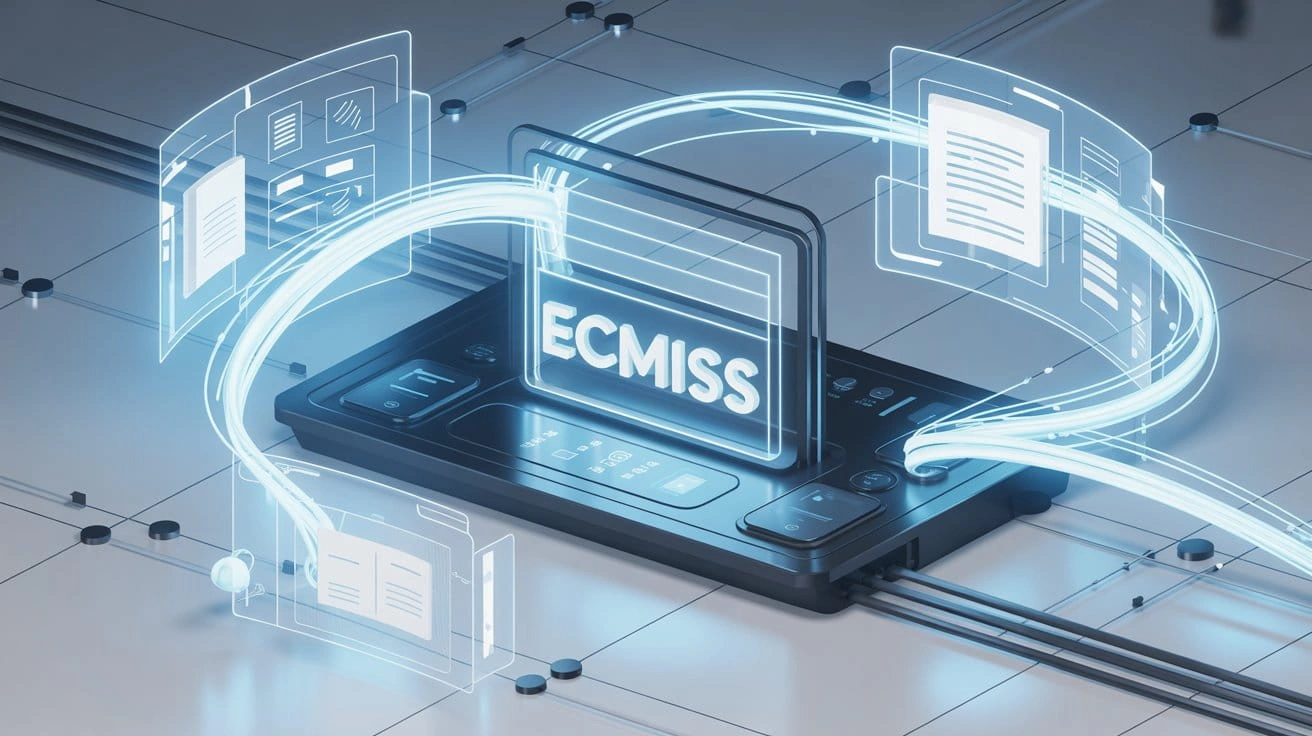
At its core, ecmiss refers to a structured digital system designed to manage information, content, or cases in a centralized and intelligent way. In most professional contexts, it is associated with enterprise-level platforms that store, organize, track, and secure digital records while supporting collaboration and automation.
Rather than acting as a simple storage solution, it functions as a complete environment where data, documents, and workflows connect logically. Users can retrieve information quickly, follow defined processes, and maintain accountability throughout an organization. In some sectors, the concept is also used to describe electronic case coordination systems that support multiple stakeholders working on shared records.
Outside of strict technical use, the term has also been adopted as a modern digital identity or brand concept, symbolizing balance, order, and innovation in a data-driven world.
Core Principles Behind ecmiss
Understanding how ecmiss works requires looking at its underlying principles rather than just its features.
Centralized Information Control
All content and records live in one controlled environment. This reduces duplication, prevents data loss, and ensures everyone works with the same version of information.
Structured Workflows
Processes are defined, automated, and monitored. Tasks move from one stage to another without confusion, delays, or unnecessary manual effort.
Secure Access Management
Permissions determine who can view, edit, or approve content. This protects sensitive data while maintaining transparency where needed.
Insight-Driven Oversight
Built-in reporting tools help leaders understand performance trends, identify bottlenecks, and make informed decisions based on real data.
Benefits of Using ecmiss
Organizations that adopt ecmiss-based systems often experience improvements that go beyond basic efficiency.
Improved Operational Efficiency
Automated workflows reduce repetitive tasks and free employees to focus on higher-value work. Searching for information becomes faster and more reliable.
Stronger Collaboration
Teams can work together in real time, even across departments or locations. Shared access eliminates silos and improves communication.
Better Data Accuracy
Version control and audit tracking reduce errors. Everyone knows which document or record is current and approved.
Enhanced Compliance and Accountability
Clear process trails and access logs support regulatory requirements and internal governance standards.
Long-Term Cost Savings
Reduced paper usage, fewer manual processes, and streamlined operations result in measurable cost reductions over time.
Challenges Associated With ecmiss
Despite its advantages, implementing ecmiss is not without difficulties.
System Integration Complexity
Connecting new platforms with existing software can be technically demanding. Poor integration planning may lead to delays or data inconsistencies.
User Adoption Resistance
Employees may resist new systems, especially if they are accustomed to older processes. Without training and support, adoption rates may suffer.
Customization Requirements
Every organization has unique workflows. Adapting the system to match real-world operations requires careful configuration and expertise.
Data Migration Risks
Transferring legacy records into a new environment must be handled carefully to avoid information loss or misclassification.
How to Implement ecmiss Successfully
A structured approach increases the likelihood of long-term success.
Step One: Identify Business Needs
Define what problems the organization wants to solve. This includes content types, workflows, compliance needs, and reporting goals.
Step Two: Select the Right Platform
Choose a solution that aligns with scalability, security, and usability requirements rather than short-term convenience.
Step Three: Prepare Existing Data
Clean, categorize, and validate information before migration. Good data preparation prevents future issues.
Step Four: Configure and Test
Set up workflows, roles, and permissions. Test processes thoroughly before full deployment.
Step Five: Train Users
Provide hands-on training and clear documentation. Confident users are more likely to embrace change.
Step Six: Monitor and Improve
Collect feedback, review performance metrics, and refine processes continuously.
Real-World Applications of ecmiss
Healthcare Environments
Hospitals and clinics use structured management systems to organize patient records, test results, and treatment histories. This improves coordination among medical teams and reduces administrative delays.
Legal and Social Services
Case-based organizations rely on centralized records to track progress, share updates, and ensure compliance with strict procedural standards.
Educational Institutions
Schools and universities use digital management platforms to maintain student records, academic materials, and administrative documentation efficiently.
Corporate Operations
Large companies depend on centralized content systems to manage internal documents, approvals, and cross-department collaboration.
Strategic and Branding Potential of ecmiss
Beyond functional use, ecmiss carries strategic value as a digital concept. Its uniqueness allows businesses to build strong identity positioning around clarity, structure, and innovation. Because the term is not overloaded with generic meaning, it offers flexibility for future expansion and branding.
This makes it attractive for technology startups, consulting firms, and digital transformation initiatives seeking a distinctive and memorable framework.
Frequently Asked Questions
What does ecmiss stand for?
The term commonly refers to structured enterprise systems for managing content or cases, although its exact interpretation may vary by industry.
Is ecmiss suitable for small organizations?
Yes. Scalable platforms allow small teams to start simple and expand functionality as needs grow.
Does ecmiss replace existing software?
In most cases, it integrates with existing tools rather than replacing them entirely.
How long does implementation take?
Timelines depend on system complexity, data volume, and customization requirements, but proper planning significantly reduces delays.
Is data secure in ecmiss platforms?
Security is a core feature, with access controls, encryption, and audit trails built into modern systems.
Can workflows be changed later?
Yes. One of the strengths of structured management systems is their adaptability to evolving business needs.
Conclusion
The growing relevance of ecmiss reflects a broader shift toward smarter, more connected digital environments. By centralizing information, streamlining workflows, and improving accountability, it helps organizations move beyond chaos toward clarity. While challenges exist, careful planning, user engagement, and continuous improvement make adoption both practical and rewarding.
As digital demands continue to rise, understanding and applying this concept can offer long-term operational and strategic advantages for organizations ready to evolve.