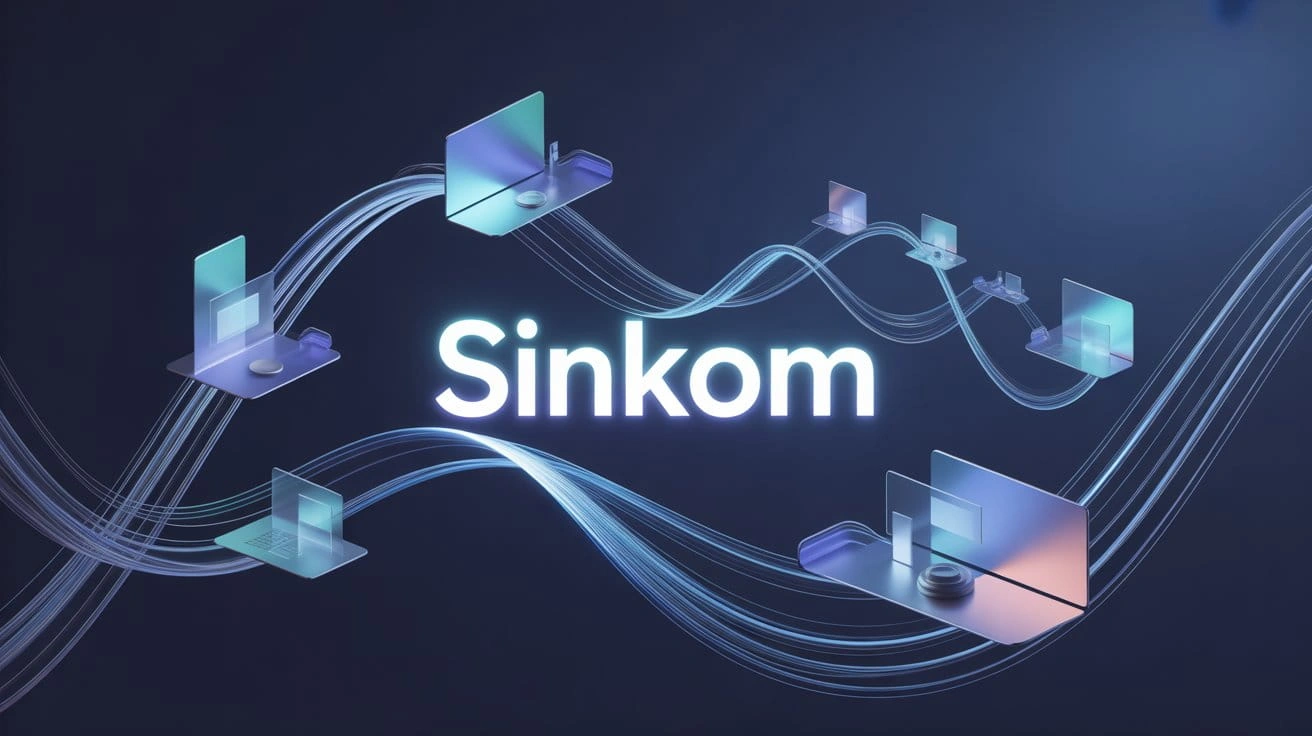
The keyword sinkom has gained attention across search engines because people are encountering it in different contexts and want clarity. Some see it connected to technology and digital systems, others notice it used in business or collaboration settings, while a few come across it as a conceptual term rather than a fixed product. What unites all these searches is user intent: people want a clear explanation, real-world relevance, and practical understanding.
In simple terms, this concept represents the idea of smooth coordination. It focuses on how different elements—whether tools, people, or processes—stay aligned and communicate without friction. In a world shaped by remote work, smart devices, and fast decision-making, this idea is more relevant than ever. This article explains the meaning, explores advantages and limitations, and shows how it is applied in real-life scenarios, using clear language and practical examples.
What Does Sinkom Mean?
Sinkom is best understood as a conceptual framework rather than a single technology. The word itself suggests a blend of synchronization and communication. Together, these ideas describe systems or workflows where information flows smoothly, updates happen in real time, and individual parts work together as a coordinated whole.
Unlike rigid models that rely on manual updates or delayed reporting, this approach aims for alignment at all times. When one part of a system changes, the rest adjust automatically. This makes the framework useful in digital platforms, team collaboration, and operational management.
Although the term is still evolving, most modern interpretations share three foundations:
- synchronized actions
- continuous communication
- flexible structure
These foundations help explain why the idea keeps appearing across different industries.
The Core Principles Behind This Framework
Synchronization as a Foundation
Synchronization ensures that data, actions, or decisions remain consistent across a system. For example, if a task status changes in one place, everyone sees the update immediately. This avoids confusion and prevents costly mistakes caused by outdated information.
Communication Without Barriers
Communication within a coordinated system is designed to be clear and timely. Instead of fragmented messages spread across platforms, information flows through connected channels. This improves understanding and reduces unnecessary back-and-forth.
Modular and Flexible Design
Flexibility is another key principle. This model favors modular structures, meaning components can be adjusted or replaced without disrupting the entire setup. This makes long-term growth and adaptation much easier.
Why Sinkom Matters in Today’s World
Managing Complexity
Modern organizations rely on many tools and processes. Sinkom helps reduce complexity by aligning systems so they work together rather than against each other.
Supporting Faster Workflows
When updates happen instantly and communication stays consistent, teams can move faster. This speed is critical in industries where timing affects results.
Encouraging Smarter Decisions
Accurate, synchronized information leads to better decision-making. Leaders no longer need to rely on partial data or delayed reports.
Real-World Applications of This Approach
Digital Collaboration and Remote Teams
Remote teams often struggle with misalignment. Coordinated workflows solve this by keeping documents, messages, and task updates synchronized. Everyone works from the same source of truth.
Smart Systems and Connected Devices
Smart environments rely on multiple devices working together. A synchronized structure ensures these devices respond collectively instead of acting in isolation.
Healthcare and Service Coordination
In healthcare settings, synchronized records and communication between departments improve efficiency and reduce errors. This framework helps ensure accurate information is available when needed.
Online Business Operations
E-commerce platforms depend on real-time updates for inventory, payments, and customer data. This coordination helps maintain accuracy and trust.
Creative and Media Projects
Creative teams benefit from shared timelines and instant feedback. A synchronized workflow enables smoother collaboration without version conflicts or missed updates.
Benefits of Using a Coordinated Model
Improved Collaboration
Teams stay aligned, reducing misunderstandings and duplicated effort.
Time and Cost Efficiency
Automated updates reduce manual work and operational delays.
Scalability
Systems built around this framework can grow without major redesigns.
Consistency and Accuracy
Synchronized data improves reliability across all connected components.
Challenges and Limitations
Initial Setup Effort
Implementing synchronized systems may require time, planning, and training.
Security Considerations
When data flows freely, strong safeguards are essential to protect sensitive information.
System Compatibility
Not all existing tools integrate easily, which may require adjustments or upgrades.
How to Apply These Principles Step by Step
Step One: Map Existing Processes
Identify where communication gaps or delays currently exist.
Step Two: Choose Compatible Tools
Select platforms that support real-time updates and integrations.
Step Three: Define Clear Communication Rules
Establish standards for how and where information is shared.
Step Four: Monitor and Adjust
Regularly review performance and refine the system as needs change.
Sinkom Compared to Traditional Integration
Traditional integration often relies on scheduled updates or manual syncing. Sinkom focuses on continuous alignment and real-time communication. This difference may seem subtle, but it significantly impacts speed, accuracy, and user experience.
Future Outlook for This Concept
As automation and connected systems continue to expand, synchronized thinking will become more common. Organizations that prioritize alignment and communication will likely adapt faster to change. The concept aligns closely with future trends such as intelligent systems, decentralized work, and data-driven decision-making.
Frequently Asked Questions
Is sinkom a software platform?
No. It is a concept that can be applied across different tools and systems.
Can small teams use these ideas?
Yes. Even simple shared tools can support synchronized principles.
Does this framework replace existing systems?
Not necessarily. It often enhances them by improving coordination.
Is it limited to technology fields?
No. It applies to healthcare, education, creative work, and more.
What skills support implementation?
Clear communication, system thinking, and adaptability are essential.
Is this a long-term strategy?
Yes. Its flexibility makes it suitable for evolving environments.
Conclusion
Sinkom is not just a trending keyword; it reflects a deeper shift in how people and systems work together. By focusing on synchronization, communication, and flexibility, these principles help reduce friction and improve outcomes across many industries. While challenges exist, the benefits of better alignment and faster collaboration make this approach valuable in today’s connected world. As digital and human workflows continue to merge, understanding this model can provide clarity and direction for smarter, more efficient operations.