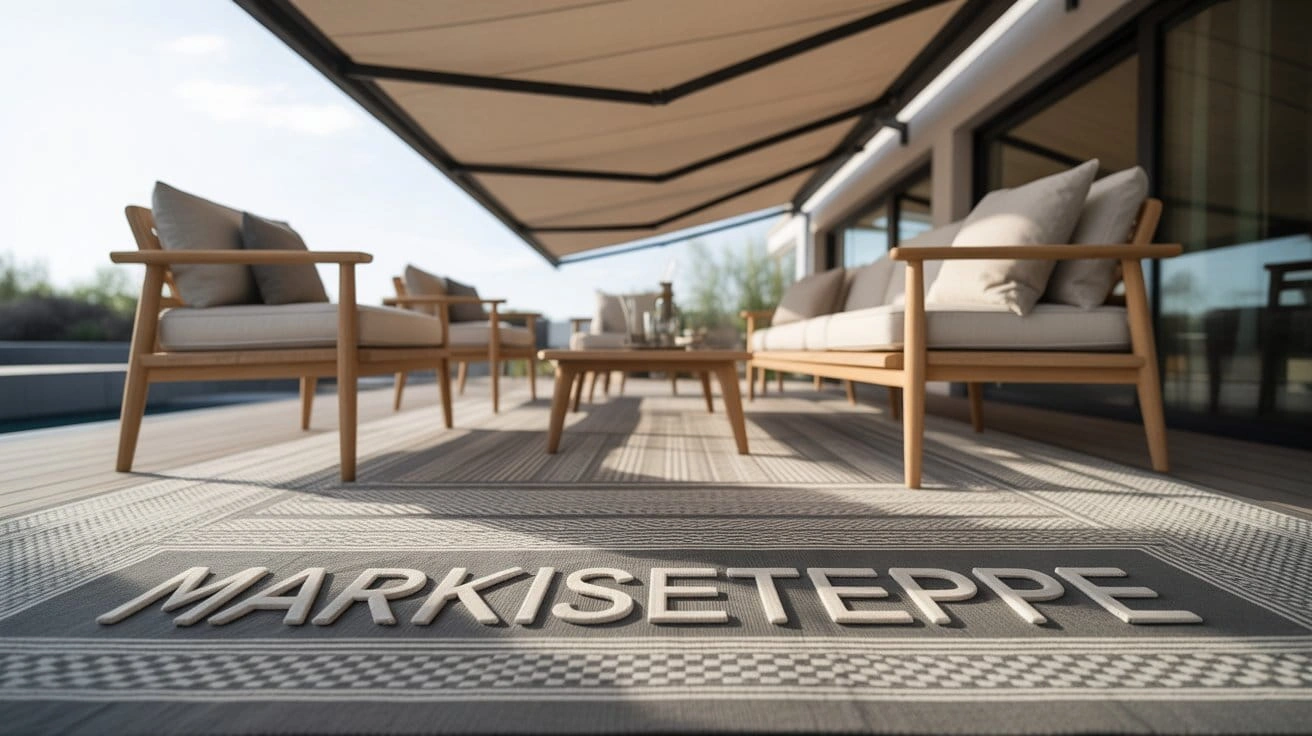
Markiseteppe is a term that has recently attracted attention in home improvement, outdoor living, and design-focused discussions. While it may sound unfamiliar at first, the idea behind Markiseteppe is simple and practical. It refers to durable textile-based solutions used alongside awnings or shaded areas to improve comfort, protection, and visual appeal. In many contexts, it connects outdoor fabrics, shading systems, and functional design into one concept.
People searching for this term are usually trying to understand its meaning, how it is used, and whether it adds value to everyday living. This guide addresses those questions clearly and practically. It explores what Markiseteppe means, why it matters today, where it is used, and what benefits or challenges come with it. The goal is not just definition, but clarity and usefulness based on real-world application.
Understanding the Meaning of Markiseteppe
At its core, Markiseteppe combines two ideas: shade and textile comfort. The word is commonly linked to Scandinavian and Northern European language roots, where “markise” relates to awnings or sunshades, and “teppe” refers to fabric or covering. Together, the concept represents fabric-based coverings used in shaded environments.
In practical terms, Markiseteppe often describes outdoor mats, carpets, or fabric surfaces placed under or near awnings. These textiles are designed to handle outdoor conditions while improving comfort and appearance. Unlike decorative indoor rugs, they are built to resist moisture, sunlight, and wear.
What makes the term unique is its flexibility. It is not limited to one strict product. Instead, it describes a category of functional outdoor textiles that support shaded living spaces.
Why Markiseteppe Matters Today
Outdoor living has changed. Patios, balconies, terraces, and mobile setups like RVs are no longer treated as secondary spaces. People want these areas to feel intentional, comfortable, and visually appealing. This is where Markiseteppe becomes relevant.
Instead of standing on bare concrete, soil, or decking, users can define their outdoor area with a durable textile surface. This improves comfort underfoot, reduces dirt transfer indoors, and creates a sense of structure. As more people invest in outdoor experiences at home, interest in such solutions has grown steadily.
Another reason for its relevance is sustainability. Many modern Markiseteppe products are made from recyclable or long-lasting synthetic fibers, reducing the need for frequent replacement.
Core Characteristics That Define Markiseteppe
Designed for Outdoor Conditions
Unlike indoor carpets, these textiles are built to handle exposure. They resist fading from sunlight, tolerate moisture, and dry quickly. This makes them suitable for seasonal use in changing weather.
Balanced Comfort and Strength
The surface is usually soft enough for bare feet but strong enough to handle furniture, foot traffic, and movement. This balance is key to their popularity in outdoor living spaces.
Visual Structure
Markiseteppe helps define an area. Under an awning or pergola, it visually anchors furniture and creates a “room-like” feeling outdoors.
Easy Maintenance
Most versions are easy to clean. Shaking, rinsing, or light brushing is often enough to maintain them, which appeals to users who want convenience.
Benefits of Using Markiseteppe
Improved Comfort
One of the most immediate benefits is physical comfort. Walking, sitting, or standing on a textile surface feels better than hard ground. This is especially noticeable in camping or patio settings.
Cleaner Living Spaces
By placing a Markiseteppe near entrances or under awnings, less dirt is tracked indoors. This is a small change that makes daily life easier.
Better Temperature Experience
Textile surfaces tend to stay cooler than stone or concrete under direct sun. In shaded areas, this can noticeably improve comfort during warmer months.
Visual Appeal
Outdoor spaces feel more finished when a defined surface is added. Patterns, textures, and neutral tones contribute to a calm, designed look without overwhelming the space.
Flexible Use
The same piece can be used on a balcony one season and taken on a camping trip the next. This flexibility increases value over time.
Common Challenges and Limitations
Weather Extremes
Although durable, Markiseteppe is not indestructible. Prolonged exposure to heavy storms, snow, or extreme wind can shorten its lifespan if not stored properly.
Quality Differences
Not all products are equal. Lower-quality versions may fade quickly or lose structure. Choosing the right material matters.
Storage Needs
When not in use, it should be stored dry and rolled properly. Users with limited storage space may need to plan ahead.
Initial Cost
Compared to simple ground coverings, higher-quality options may cost more upfront. However, durability often balances this over time.
Real-World Uses of Markiseteppe
Residential Outdoor Areas
Homeowners often place it under awnings on patios or balconies. It defines seating areas and makes outdoor relaxation more inviting.
RV and Camping Life
In mobile living, it serves as an outdoor floor extension. Campers appreciate how it keeps dirt out and creates a clear living zone outside the vehicle.
Commercial Outdoor Seating
Some cafés and small businesses use textile ground coverings under shaded seating. This improves appearance and customer comfort without permanent construction.
Temporary Events
Because it is easy to roll and transport, it works well for markets, pop-up events, or seasonal outdoor setups.
How to Choose the Right Markiseteppe
Step One: Measure the Area
Knowing the exact size helps avoid waste and ensures proper coverage.
Step Two: Consider Surface Type
Grass, gravel, wood, or concrete each interact differently with textiles. Choose thickness and backing accordingly.
Step Three: Check Material Quality
Look for UV-resistant fibers and reinforced edges. These features extend lifespan.
Step Four: Think About Use Frequency
Occasional use allows lighter materials. Daily use benefits from stronger construction.
Step Five: Plan Storage
Ensure you have a dry place to store it when not in use.
Maintenance Tips for Long-Term Use
Cleaning should be simple. Most of the time, shaking or rinsing is enough. Allow it to dry fully before storage to prevent odor or mold. Avoid harsh chemicals, as they can damage fibers. With basic care, a quality Markiseteppe can last several seasons.
Markiseteppe and Modern Design Trends
Minimalist outdoor design is growing in popularity. Clean lines, neutral colors, and functional pieces dominate current trends. Markiseteppe fits naturally into this movement. It provides function without clutter and style without excess.
Another trend is flexible living. People want products that adapt to changing needs. A portable textile surface supports this mindset by working in multiple environments.
Frequently Asked Questions
What is Markiseteppe used for?
It is used as a durable textile surface in shaded outdoor areas to improve comfort, cleanliness, and visual structure.
Is Markiseteppe suitable for all climates?
It works well in most climates when used properly, but extreme conditions require careful storage and quality materials.
Can Markiseteppe be used indoors?
Yes, although it is designed for outdoor use, it can also work in entryways or utility spaces.
How long does Markiseteppe last?
Lifespan depends on material quality and care. With proper use, it can last several years.
Is Markiseteppe easy to clean?
Yes. Most versions only need light cleaning and drying.
Does Markiseteppe improve outdoor comfort?
Yes. It provides a softer, cleaner surface and enhances the overall outdoor experience.
Final Thoughts
Markiseteppe may seem like a small addition, but its impact is noticeable. It improves comfort, defines space, and supports modern outdoor living without complexity. By understanding its purpose, benefits, and limitations, users can decide whether it fits their lifestyle.
As outdoor spaces continue to matter more in daily life, practical solutions like this will remain relevant. When chosen wisely and maintained properly, Markiseteppe becomes less of an accessory and more of a functional foundation for comfortable outdoor living.