In the digital age, new words often appear not from dictionaries, but from online communities. One such term gaining attention in recent years is xuebaotou. While it may sound playful, it represents something much deeper—how students view learning, pressure, identity, and ambition in modern society. This term has become especially relevant as academic competition increases and online learning reshapes how knowledge is shared.
Understanding this concept helps parents, educators, and learners better connect with student culture today. It also offers insight into how language evolves alongside social expectations and educational values.
Xuebaotou Explained Clearly
At its simplest level, xuebaotou is a modern Chinese slang expression used to describe a person who is deeply devoted to studying. The word combines ideas of learning, value, and focus into a single identity. Unlike traditional labels that focus only on high grades, this term emphasizes dedication, effort, and persistence.
Many students use it to describe themselves humorously, especially during stressful periods like exams or intense study sessions. Rather than boasting, it often reflects self-awareness and shared struggle.
How the Term Emerged Online
From Student Humor to Shared Identity
The term originated in online student spaces where young people openly discussed academic stress. Over time, it moved beyond casual jokes and became a symbol of modern study culture. Students adopted it as a badge of commitment rather than superiority.
Unlike older academic labels that imply dominance, xuebaotou feels more human. It allows students to acknowledge both hard work and exhaustion at the same time.
Role of Digital Communities
Social platforms, study groups, and learning apps played a major role in spreading the term. Memes, illustrations, and avatars helped turn it into a recognizable identity. These digital expressions made studying feel less isolating and more communal.
Cultural Meaning in Education-Focused Societies
Education has long been tied to opportunity and respect. In highly competitive academic environments, students often feel intense pressure to perform. Xuebaotou reflects this reality while softening it through humor and relatability.
Rather than celebrating perfection, the term highlights effort. It recognizes that learning is demanding and that perseverance matters as much as results. This shift in tone makes it especially meaningful to younger generations.
Visual and Creative Expression
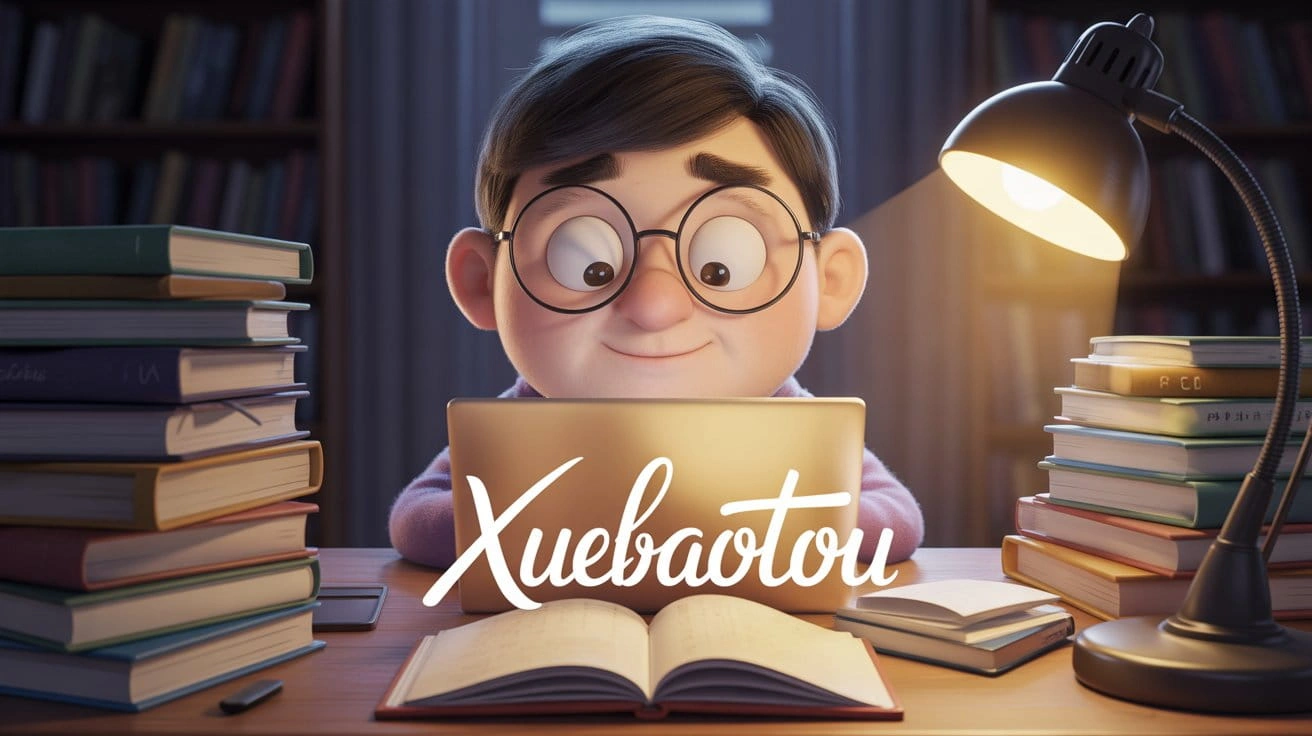
The identity is often portrayed visually in a playful way. Common features include oversized heads, tired eyes, stacks of books, and determined expressions. These images are not meant to mock students, but to normalize the reality of hard work.
Creative expression helps reduce stress. When students see themselves reflected in humorous illustrations, it validates their experience and reminds them they are not alone.
Positive Aspects of the Xuebaotou Identity
Sense of Belonging
One of the strongest benefits is community. Students who identify with this term often feel connected to others facing similar challenges. This shared identity reduces feelings of isolation.
Encouragement to Persist
While lighthearted, the term still values discipline. It quietly encourages learners to keep going, even when studying feels overwhelming.
Healthy Self-Awareness
Many students use the label ironically. This self-awareness helps balance ambition with realism and prevents unhealthy comparisons.
Challenges and Potential Downsides
Despite its positive tone, the identity can sometimes reinforce overwork. When students feel proud of constant studying, rest may feel undeserved. This mindset can increase fatigue and emotional strain.
Educators and families should encourage balance. Learning is important, but so is physical and mental well-being. The healthiest interpretation of xuebaotou includes knowing when to pause.
Real-World Examples in Daily Life
Study Communities
Online study rooms and exam preparation groups frequently use this term as motivation during long sessions. It acts as a shared language that brings humor into stressful situations.
Learning Platforms
Some educational tools use characters inspired by this identity to make learning more engaging. These designs appeal to students by reflecting their real experiences.
Beyond Students
The idea is not limited to school. Adults learning new skills or preparing for certifications sometimes adopt the label jokingly, proving that dedication to learning has no age limit.
How Xuebaotou Reflects Modern Learning Trends
Today’s learners face constant information flow, high expectations, and digital distractions. Xuebaotou reflects a generation trying to stay focused while navigating these challenges.
It also aligns with a broader trend of redefining success. Effort, consistency, and resilience are gaining recognition alongside achievement.
Frequently Asked Questions
What does xuebaotou really represent?
It represents dedication to learning, often mixed with humor and self-awareness.
Is it meant as praise or sarcasm?
It can be both, depending on context, but it is usually affectionate rather than critical.
Is this term only used by top students?
No. It is commonly used by average learners who work hard and value persistence.
Why has it become popular recently?
Increased academic pressure and online learning spaces helped spread the term.
Can the identity be unhealthy?
Only if it encourages constant overwork without rest.
Is the concept relevant outside China?
Yes. Many cultures have similar ideas, even if the wording is different.
Conclusion
Xuebaotou is more than a trendy word. It captures how modern learners experience education—with determination, humor, pressure, and pride all intertwined. By understanding this term, we gain insight into student psychology, digital culture, and evolving attitudes toward success.
When viewed positively, it reminds us that learning is a journey, not a race. And sometimes, a little humor makes that journey easier to carry.